Varieties |
Adaptation | Usage | Preparation | Seeding |
Maintenance
Diseases |
Fertilizers | Mowing | Pasture | Pests | Weeds |
Water | Home
| Adaptation: Bluegrass
is a cool season grass growing best in soils with better
fertility, more water and good drainage. Adapted for the
very upper south with cooler, damper nights,
into Canada, toward the Rockies and the Pacific
Northwest.
This grass is mostly planted in the mid
to eastern U.S. and into Canada. Southern Tennessee
and the Piedmont region is the imaginary line
for the best area of southern adaptation.
|
Bluegrass is the
number one cool season lawn grass grown. |
Bluegrass is adapted for
all uses except golfing greens.
In years past this grass has been described as
being disease and insect ridden. Years of genetic breeding have
produced many new varieties with specific disease and insect
tolerance bred onto the seed. A good maintenance program can
help to avoid many of the insect and weed problems that plague
bluegrass. Healthy turf cut at the correct mowing height can
greatly reduce insects and disease from developing.
 |
Although requiring a lot of water in extreme
cases the grass is adapted to enter a dormant stage and will loose
its color and may appear dead. Lightly watering during this
time will keep the grass from completely dying and when sufficient
water is available the grass can reestablish above ground growth. |
Bluegrass is adapted to be fast growing when receiving fertilizer
and water on a regular basis and will require more mowing in peak
seasons. Keeping the grass cut to the correct height enables the
sod to thicken at the base and become the dense lawn cover that
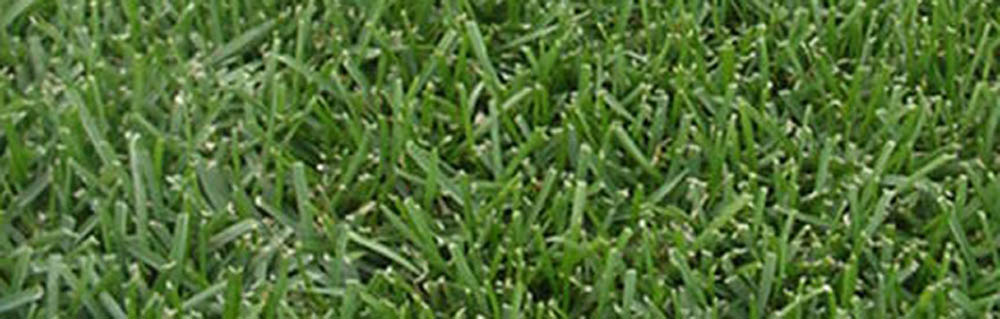
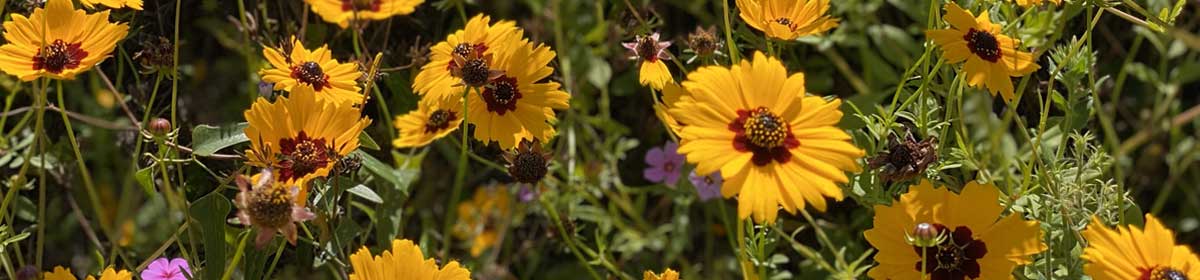
bluegrass is praised for. Lawns, pastures, reclamation sites, erosion sites and cooler areas
with higher moisture conditions. Beautiful in meadows with
wildflowers.
Adapted to a variety of soils growing best in a pH of 6.5 to
8.0. This means that many lawns will need additional lime added in
the beginning stage and periodically throughout the lifetime of
the grass and bluegrass can live many, many years if well
maintained. Of course in some areas of the country the soil and
water conditions are just right and very little amounts of
additives may be needed.
The lawn itself is slower to establish taking up to 8-10 weeks to fully
become "wearable". The vast number of varieties (about 200) were developed
to improve specific characteristics. The blends are carefully chosen to represent the best
all purpose bluegrass lawn for your area of adaptation. Lawns or athletic fields
are best sodded for earlier usage followed by a consistent watering schedule until the roots have
integrated into the new base
|
Bluegrasses.com
Growing
a beautiful tomorrow!® |
|