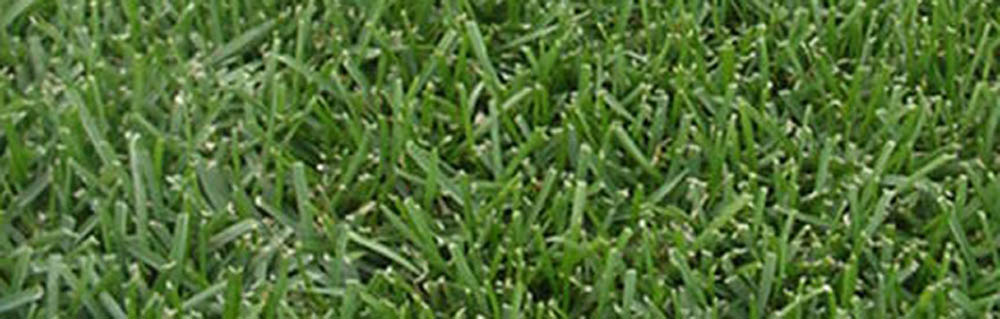
Probably the most outstanding feature of
Monte Carlo
Bluegrass is it's winter color and spring density. It's high
tiller density provides a thick carpet that will stand up to the
abuses of high traffic associated with parks and athletic fields.
Sod
producers and homeowners
enjoy Monte
Carlo’s dwarf
growth characteristics, which result in fewer mowings and reduced
maintenance costs. In recent university and NTEP trials, this
cultivar has shown good resistance to Leaf Spot, Stem Rust, Stripe
Smut and Dollar Spot, as well as good heat and drought tolerance
Characteristics:
Climatic
Zones:
3, 4, 5, 6,
7, 8 (may not be adaptable to all areas within each climatic zone)
Establishment & Maintenance:
Monte Carlo,
like all bluegrass’s, requires 2 - 3 weeks for complete
germination. Color may be observed before that time, however in
good growing weather where soil temperatures are above
65º F (18º C),
expect 8 to 10 weeks for a complete stand of grass. The first
mowing may be expected in about six weeks.
Monte Carlo
possesses good mowing qualities and can be maintained at cutting a
cutting height ranging from 1/2 inch to 2 inches (12 – 50 mm).
Monte Carlo
does well in sand or heavy clay soils, and like all bluegrasses,
performs best in soils with a pH of 5.5 to 8. Three to five pounds
N per 1,000 square feet per year is adequate in most areas of the
United States. However, because of Monte Carlo’s dark
genetic color, lower fertilizer rates may produce an acceptable
color.
Seeding
Rates:
Sod Farms, Golf
Fairways 100 lbs per acre
Athletic Fields, Parks 80 - 100 lbs per acre
Golf Tees, Home Lawns 2 - 3 lbs per 1000 sq. ft.
This variety was
bred and developed at Rutgers University in New Brunswick, NJ.