|
NOTE:
You have reached an information page.
To view
product prices visit our store at
Seedland.com |
|

ORDER
ONLINE |
PHONE ORDERS:
PHONE
Phone Business hours - Mon-Fri. 9-5 EST ONLY - Contact via
Email
 |
| Pasturage:
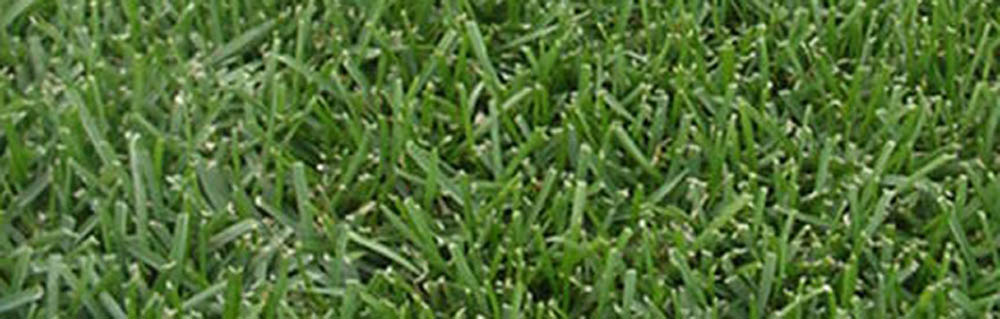
Bluegrass pastures
are grown on millions of acres in North America. These are
perennial pastures that can last for many years with good
supervision and grazing habits. Bluegrasses are one of the
few forage grasses that actually improve the root system
through closer grazing or the removal of blade
material through mowing. Pasture usage covers almost any
foraging species from cattle, horses, sheep, etc. |
Seeds for
your future. |
The best adapted areas include
the mid-west to eastern parts of the U. S. in well drained soils
originally of limestone bases. Bluegrass is a very palatable
and high in nutrition. White clover and birds foot trefoil is
planted as companion legumes in many areas that are of lower
fertility to boost the nitrogen level of the soil and improve the
productivity of the bluegrass pasture.
LATO FORAGE BLUEGRASS
Forage Bluegrass seeds available at Seedland.com!
| Bluegrass pastures
are ideal for the heavy traffic of cattle and horse herds and
when fully developed into the natural thick sod that bluegrass
is know for, the damage is minimal. |
BUY
FORAGE
BLUEGRASS
AT SEEDLAND.COM
Available in 50# Bags. |
Many grasses will not tolerate the close
grazing from sheep and goats and continue
producing thick foliage from year to year without sustained damage
as bluegrass pastures can..
Pastures of bluegrass
are eaten by almost all livestock due to the high palatability level and favored by
ranchers and farmers alike particularly because of the sod density and rapid rate of
re-growth following close grazing. This is one of the few foraging grasses that are
stimulated by the removal of the plant material into better production. The
dense formed
sod prevents the hoofs of herd animals from damaging the pasture and helps prevent erosion
under heavy herd conditions.
Establishment with companion legume crops can supply extra nitrogen
levels and are quite successful. White clover is one of the best companion
legumes grown that add extra vitamins and minerals along with diversifying forage
material. Bluegrass pastures are lifetime plantings but need reseeding occasionally along
with the legumes. This would be a great time to improve the variety that is already
established instead of renovating the whole pasture.
Pasture management:
Bluegrasses generally grow better in soils of higher fertility and
more moisture; when grown in soils not meeting the criteria additional
nitrogen has to be added and/or the planting of legumes that
co-exist in the pasture with the bluegrass. Bluegrass also grows
best when extra lime is added to soils deficient to maintain pH
levels of 6.5 to 8.0. Pastures planted in dryer climates will have
to be irrigated when rainfall isn't sufficient. Controlled grazing
with three to six inches of blade length will help keep the
bluegrass tillering and building better root systems, this in
return will develop into the sod density to withstand herd impact
and lessen the damage that could otherwise damage the pasture. Under grazing
can result in the grass becoming clumpy and forming erosion areas
between the grass sections which can lead to the grass thinning
which can give rise to disease or insects moving in more easily.
Pasture soil testing should
be done every two to three years to provide the best answers for
the amounts of nitrogen and lime that may or may not be needed.
Legumes are planted in pastures
to help return nitrogen to the soil and improve
fertility. Clovers and birdfoot trefoil are also favorites for
many animals and provide extra nutrition and diversity in
foraging. Although bluegrass may never have to be replanted the
legumes that are chosen may need to be reseeded from time to time.
The additional benefits adds to a well managed pasture.
|
Bluegrasses.com
Growing
a beautiful tomorrow!® |
|