SEEDLAND®   
 
BLUEGRASSES.COM - A Seedland information web site!
Search our store for products:
Welcome To Bluegrasses.com - Professional Lawn Seeds from Seedland!
 

Seeding Bluegrass Lawns

GardenPatio.com
Seedland.com

NOTE: You have reached an information page. 
 To view product prices visit our store at Seedland.com

Hello nature lover.....!
ORDER
ONLINE  |  PHONE ORDERS: PHONE

Phone Business hours - Mon-Fri. 9-5 EST ONLY - Contact via Email
Hello nature lover.....!

Varieties | Adaptation | Usage | Preparation | Seeding | Maintenance
Diseases | Fertilizers | Mowing | Pasture | Pests | Weeds | Water | Home

SEEDING rates for Kentucky Bluegrasses are 1-3 pounds seeded at 1000 square feet and between 45-135 pounds seeded per acre.  Pasture rates can be lower, but even pastures need the thickest stand possible especially in the beginning. Mixes are often seeded at 3-5 lbs per 1000 sq.ft.


Bluegrass seed
Kentucky Bluegrass Seed

These seeds are smaller then some other varieties and easily sown. Kentucky Bluegrass can be overseeded at the rate of 1/2 to 1 pound per 1000 square feet. Because Bluegrass takes time to germinate and grow into a lawn, often Perennial Ryegrass is an important mix of establishing a Bluegrass lawn.  If a pure lawn is desired, keep the % of ryegrass as less than 15% (by weight)
Blends or Mixes or Blended Mixes or Mixed Blends?

One easy way to remember which one is which (already I am confused) is thinking of a group of blood relatives choosing a  two or three individuals representing the best characteristics of the family group. This is a blend.

A mix is similar to throwing a party and inviting people completely unrelated by blood but having compatible natures to enjoy each others company.

A mixed blend is two or three relatives of one blood line meeting two or three relatives from another group and having a mixer and getting along real well. They are compatible and yet different.

Often in media information, you will see the terms used loosely ... with a blend called a mixture or a mixture called a blend.... so it often can get even more confusing.

BLENDS: Most pure varieties of Bluegrass seed sold today are sold as BLENDS of several different varieties of this species. These blends are chosen as complimentary features to improve the natural characteristics of the bluegrass species.  Blends enable the grass planted to handle a wider range of tolerances to conditions such as shade, drought, heat, insects and disease.  By using a blend of at least 3 bluegrass varieties, you can usually avoid problems in your Bluegrass lawn that could result in the death of a single variety of grass.

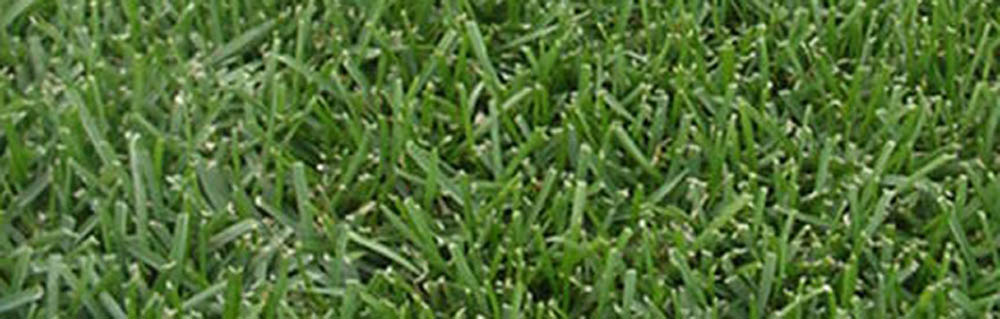
Picture: Bluegrass seedlings

Mixtures:  --- Mixtures are also very popular with Bluegrasses as adding in Perennial Ryegrass can speed coverage with a grass, while the addition of fine fescues can help where shady conditions may hinder Bluegrass from doing its best.  Three of our most popular mixtures are the Mid America Classic, Mid America Super Shade and the Seedland Bluemixes.

Bluegrasses.com

EasySeed 1-2-3 STEPS TO
PLANTING BLUEGRASS SEED

Kentucky Bluegrass

BUY YOUR BLUEGRASS
GRASS SEED

DIRECT FROM

SEEDLAND.com

1-2-3 EasySeed BLUEGRASS Lawns | Seeding Pastures
BLUEGRASS  LAWNS   FROM  SEED

The first question that must be answered is are you overseeding your lawn or "starting from scratch"?  A decision must be made to either plant within an existing lawn or to till up your lawn area so that no weeds or grasses are left living in the area to be planted. Of course a new lawn planting will most likely be started with the ideal situation.  That is to have tilled soil for the area where you will establish a lawn grass from seed. 

Why Ideal?  Because existing plants that are directly next to (6 inches or closer) of where you are trying to establish other grass plants from seed, provide competition to your seeds by consuming sunlight & plant nutrients.  This competition by existing plants means some plants simply won't survive the additional stress imposed by these adult plants.   Also, eliminating the existing "old" grasses, means that you will be able to establish the proper mix ratio and variety types for your new cool season lawn.

BLUEGRASS - BUT WHAT IF I JUST WANT A BETTER LAWN?
Seeding is generally done for the purpose of improving the existing lawn, to thicken the density; and add new variety characteristics for disease and insect resistance or climatic extension of the area of adaptation. The purpose is just to improve the existing stand areas of Bluegrass. --- Seeding also helps to reduce or eliminate weeds or undesired grasses. 
Bluegrass lawn  maintenance   Helps to deter  loss of plant material. But thinning  coverage can be due to many reasons. Climate being one of the main culprits. Overseeding one of the easiest methods to correct this problem. Cutting small sections of sod  may be an option for smaller areas. Bluegrass seed
EASYSEED: The 1-2-3 Steps

First: Decide if you will till the soil (So as to kill all the existing plants by plowing up your site!) or just plant within the existing grass. Also decide on the variety of Bluegrass to plant.  And if you will plant a mixture of Bluegrass with other lawn grasses such as RED Fescue & Ryegrass.  This (3 way mixture) is often used in spring plantings of a mixed Bluegrass lawn.

I will TILL my site and start Fresh!

I will NOT TILL my site - I want to overseed my existing lawn.

BLUEGRASSES.COM - NOT TILLING:

You are not tilling the soil - and are planting seeds within the existing grass & weeds;

OVERSEEDING - Note: Bluegrass may have thin spots over time, so overseeding helps to thicken the turf in those areas to achieve higher plant density.

(1) Mow your lawn as close as possible and remove the excess clippings with an iron-rake that will also scratch your site soil, preparing a home for the seed. 

(2) Next if at all possible AERATE your lawn with a spike aerator.  Planting without aerating does not allow of good soil contact of your Bluegrass seed.  Aerate by traveling first North to South and then East to West (two trips across lawn). Then sow (broadcast) your Bluegrass seeds on the area to be planted generally in the early fall (Aug - Sept) for your best results. Spring (before May) seedings can also be done with Bluegrass.  Some people say they find overseeding both spring and fall works best for them. 

However you may also seed in late fall at the same time you use a cover crop such as ryegrass.   The Bluegrass seed will start germinating the following spring provided that snow and/or low temperature conditions have protected the seeds until spring germination.  Timing is important depending of if you are in a more Northern cool-season area or in the transition zone.

(3) After you have broadcast your seed, you should aerate a third time.  This last time helps to provide soil coverage of your seeds.  

You may also Roll the area sowed with a hand roller so that the seed that you sowed, which fell into the soil scratches made with the rake, will become firmly packed with the soil.  Bluegrass seed require firm soil contact for best germination.  They also need a thin soil covering to germinate (1/4 inch ideal) - They are not likely to germinate when thrown out on top of the ground, unless a mulch covering or top soil is applied.  Use the correct rate of seed for Bluegrass lawns.

(4) Follow your normal water, fertilizing and mowing practices for the area you have planted on a regular basis.  That's all!  Eventually you will have an improved, more lush and thick Bluegrass grass lawn.  Bluegrass seeds do take longer to germinate (often 4-8 weeks), thus many landscapers also include perennial ryegrass as part of their turf establishment.  Generally you should water daily after planting until germination occurs, then continue on a more normal cycle. - www.lawnirrigation.com 

Keep in mind that if overseeding a NEW lawn you need to create a good firm seedbed (soil) for your seedlings to grown in. Using a tiller is the best preparatory method.  A second method is to use a rake to loosen the soil and make for better germination of your grass seed.

How much BLUEGRASS seed do I need to plant?

KENTUCKY Bluegrass Seeding Rate:
Plant 1-3 lbs. per 1000 sq. ft.

Other Varieties:
Rough & Canada
Plant 2 to 4 lbs. per 1000 sq. ft.

BUY YOUR BLUEGRASS
GRASS SEED

DIRECT FROM

SEEDLAND.com

Visit our www.lawngrasses.com for more about seeding rates and lawn choices for grasses. For pasture seeding the rate is normally lower.   Keep in mind that the seeding rate is purposely higher for lawns so that the higher plant density needed for lush turfgrass lawns is achieved.

BLUEGRASSES.COM - TILLING:  

Planting on correctly prepared and tilled soil.

(1) Till the area to be planted.  Early fall is the best time to start this activity for Bluegrass. The tilling can be done with either a garden roto-tiller or a tractor harrow/tiller (Or even a shovel if you have a good back!).  Once the area is properly returned to soil, level the ground by raking or dragging something over the surface until it is smooth and level.  Now is the time to remove hills and depressions so that you have a nice smooth lawn.

(2) Plant your seeds.  You can use a commercial turfgrass planter or sow the seeds by hand, or just as easy and much preferred, buy a broadcast seeder  (hand held and push models are available for $8-100).  Once your seeds are sowed, rake or drag the seeded area, so that as many of the seeds as possible are lightly covered (1/4 inch is ideal covering). Be sure and use the correct rate for seeding Bluegrass.

(3) Water the area you have planted as needed.  Generally water every day until germination occurs, then return to a regular watering schedule.  Apply fertilizer in intervals through the growing season, and practice a regular mowing schedule.  Mowing the weeds that will grow in your new lawn area faster than the grass, allows the grass to compete better for scarce nutrients and sunlight. - Mow regular and at the correct height.  Bluegrass seeds do take longer to germinate (often 4-8 weeks), thus many landscapers also include perennial ryegrass as part of their turf establishment.  

How much BLUEGRASS seed do I need to plant?

KENTUCKY Bluegrass Seeding Rate:
Plant 1 to 3 lbs. per 1000 sq. ft.

Other Varieties:
Rough & Canada
Plant 2 to 4 lbs. per 1000 sq. ft.

BUY YOUR BLUEGRASS
GRASS SEED

DIRECT FROM

SEEDLAND.com

Visit our www.lawngrasses.com for more about seeding rates and lawn choices for grasses. For pasture seeding the rate is normally lower.   Keep in mind that the seeding rate is purposely higher for lawns so that the higher plant density needed for lush turfgrass lawns is achieved.

BLUEGRASSES.COM - Final Finish
An good final finish to planting a Bluegrass lawn is to roll your planted lawn area with a hand roller.  You can rent these implements from rental stores in your area. This compacts the soil around the seed, creating a more favorable environment for Bluegrass seed germination.   The rolling also smoothes your soil grade providing for a more level uniform lawn. 

Your lawn will grow to be beautiful over time! 
If you can't wait..... consider SODDING

 Bluegrasses.com    Growing a beautiful tomorrow!®
Search our store for products:

Google
 

Seedland seeds --- Growing a beautiful tomorrow!

© 1999 Seedland®, Inc. - All rights reserved.
Visa MasterCard: The Future of Money (TM)  AMEX

USA Sales | Worldwide Sales | About us | Contact Seedland | Questions?
Guarantees | Seed tests | Quality Issues | Advertising | Exports | Commercial
Wholesale | Payment FAQ's | Privacy & Security | Accounting Questions

Lawns: Choices | States | Diseases | Fertilizers | Irrigation | Mowing | Pests | Weeds
HAVE LAWN QUESTIONS YOU NEED ANSWERED?
VISIT Turfhelp.com

Seedland.com


CLICK TO BUY

BLUE GRASS

SEEDS

AT OUR STORE
Or select item below
 

BLUEGRASS
INFORMATION

   HOME PAGE
 Varieties
 Adaptation
Usage
Preparation
Seeding
Maintenance
Contact Info
 

BLUEGRASS
VARIETIES

 Ken Blue (Common)
 Midnight
 Midnight II
Midnight Star

BLUEGRASS
TURF BLENDS
& MIXTURES

   Best of Blues
 Galaxy Blend
 Galaxy Plus
 KBG Blends
 MA Super Shade

 Seedland Bluemix
 Seedland Elite


BLUEGRASS
SHADE MIXES

   Dense Shade
 MA Super Shade
 Supina BG


POA TRIVIALIS
Rough Bluegrass

   Star Dust Poa
 

FORAGE TYPES
PASTURE KBG

   Ginger Forage

 
Helpful INFO

Gardens

Speciality

Lawn Help

Pasture

We love nature!


WE SHIP
UPS

We ship UPS!

Helping you grow grass
GRASS SEED


SHOP ONLINE
FOR

Wildlife Seeds

Shop for
WILDFLOWERS

FarmSeeds.com
Pasture &
Forage seed

LAWN & TURF
 FERTILIZERS
FOR NEW
& EXISTING
LAWNS!

BUY #1 RATED
Princess 77
BERMUDA LAWN
HYBRID SEED

FERTILIZER
SPREADERS
& Seeders

ORDER YOUR
LAWN SEEDS
ONLINE
GRASS SEEDS

ORDER ONLINE
100's of Grass
 Seed Varieties

USA STATES
LAWN
SPECIES GUIDE

Alabama
Alaska

Arizona
Arkansas
California
Colorado
Connecticut
D.C.
Delaware
Florida
Georgia
Hawaii
Iowa
Idaho

Illinois
Indiana
Kansas
Kentucky
Louisiana
Mass.
Maryland
Maine
Michigan
Minnesota
Missouri
Mississippi
Montana
Nebraska

New Hampshire
New Jersey
New Mexico
Nevada
New York
North Carolina
North Dakota
Ohio
Oklahoma
Oregon
Pennsylvania
Rhode Island
South Carolina
South Dakota

Tennessee
Texas
Utah
Virginia
Vermont
Washington
Wisconsin
West Virginia
Wyoming