|
NOTE:
You have reached an information page.
To view
product prices visit our store at
Seedland.com |
|

ORDER
ONLINE |
PHONE ORDERS:
PHONE
Phone Business hours - Mon-Fri. 9-5 EST ONLY - Contact via
Email
 |
Varieties
| Adaptation |
Usage | Preparation
| Seeding | Maintenance
Diseases | Fertilizers
| Mowing | Pasture
| Pests | Weeds
| Water | Home
| Bluegrasses are planted
throughout the northeastern USA, into Canada, and the higher elevations within the
transition zone of the USA.
Bluegrasses require full sunlight and water for best
performance with fertilization and liming when needed.
|
 |
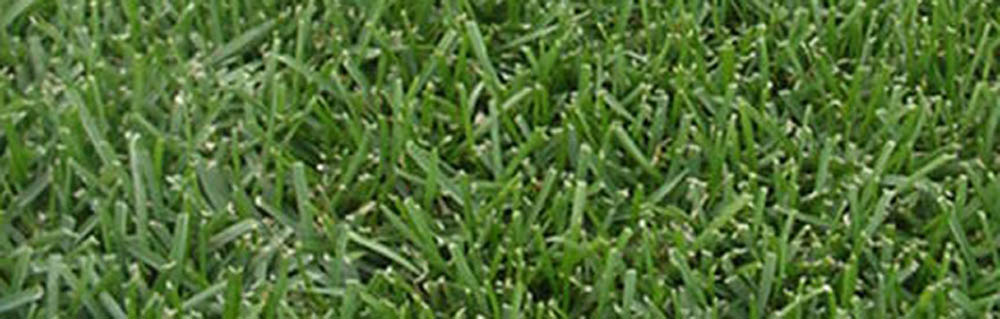
Bluegrass is one of the most versatile grasses grown in the USA, Canada and Europe. Being
one of the easiest seeded grasses and establishing one of the densest sods that can be
grown makes bluegrass a number one favorite for lawns, athletic fields, parks, golf
fairways and all cool season coverage purposes. Bluegrass seeds are the most planted cool
season grass for recreation and non-recreation alike.
The popularity for athletic fields
stems from the thick coverage and resistance to damage from impact upon the turf. The
color and performance level of bluegrass ranks number one for sports activities in the
cool season growing regions. Golf fairways use variety diversities of grass of the
bluegrass species in course management to add textural differences. These grassing
situations will be higher maintenance than most residential or commercial sites.
Bluegrass is used
extensively in pasturage in Europe and the North American continent. Easily seeded and
with good maintenance these pastures can last for several years. The forage quality
is high and the quantity improves with managed grazing techniques. These
pastures cover
millions of acres in the US alone. A pasture may never need reseeding unless severe
insect or disease damage is sustained. Bluegrass pastures can be overseeded with annual
ryes for earlier forage and many are seeded with additional legumes such as white
clover in irrigated pastures. When reseeding is needed that is the time to add new
varieties with improved qualities to favor the conditions of the region.
Bluegrass lawns can be overseeded with rye grasses and fescues for extended usage. Annual rye
grass is seeded into the existing lawn for the purpose of erosion control while the
bluegrass develops from seed or early winter greening while the bluegrass returns.
Creeping Red Fescue is sometimes planted with the bluegrass in the shadier areas where
bluegrass isn't likely to do well in the cool season areas. Bluegrass prefers warmer
ground temperatures in the northern latitudes and shade cuts out much of the heat needed
to grow successfully.
|
Bluegrasses.com
Growing
a beautiful tomorrow!® |
|